Loading content...
Life Jackets
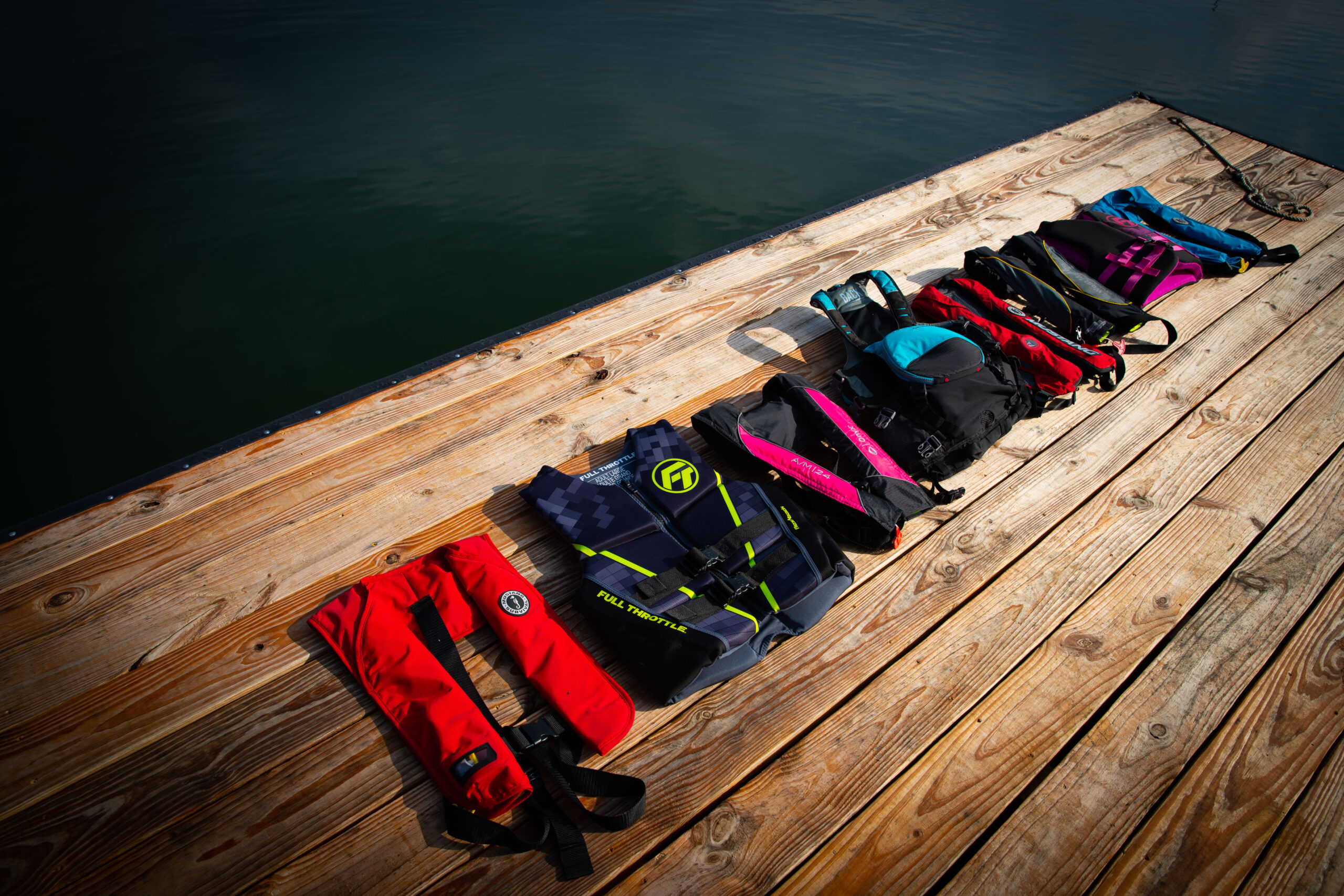
When deciding on the right life jacket for you and your passengers, think about how it will fit, the intended uses, and where you will keep the life jackets.
Proper Fit
A proper fit should be the most important consideration when picking out a life jacket.
The most important consideration when picking out a life jacket should be size. More than two-thirds of all boating fatalities are drowning incidents and 90% of drowning victims were not wearing a life jacket.
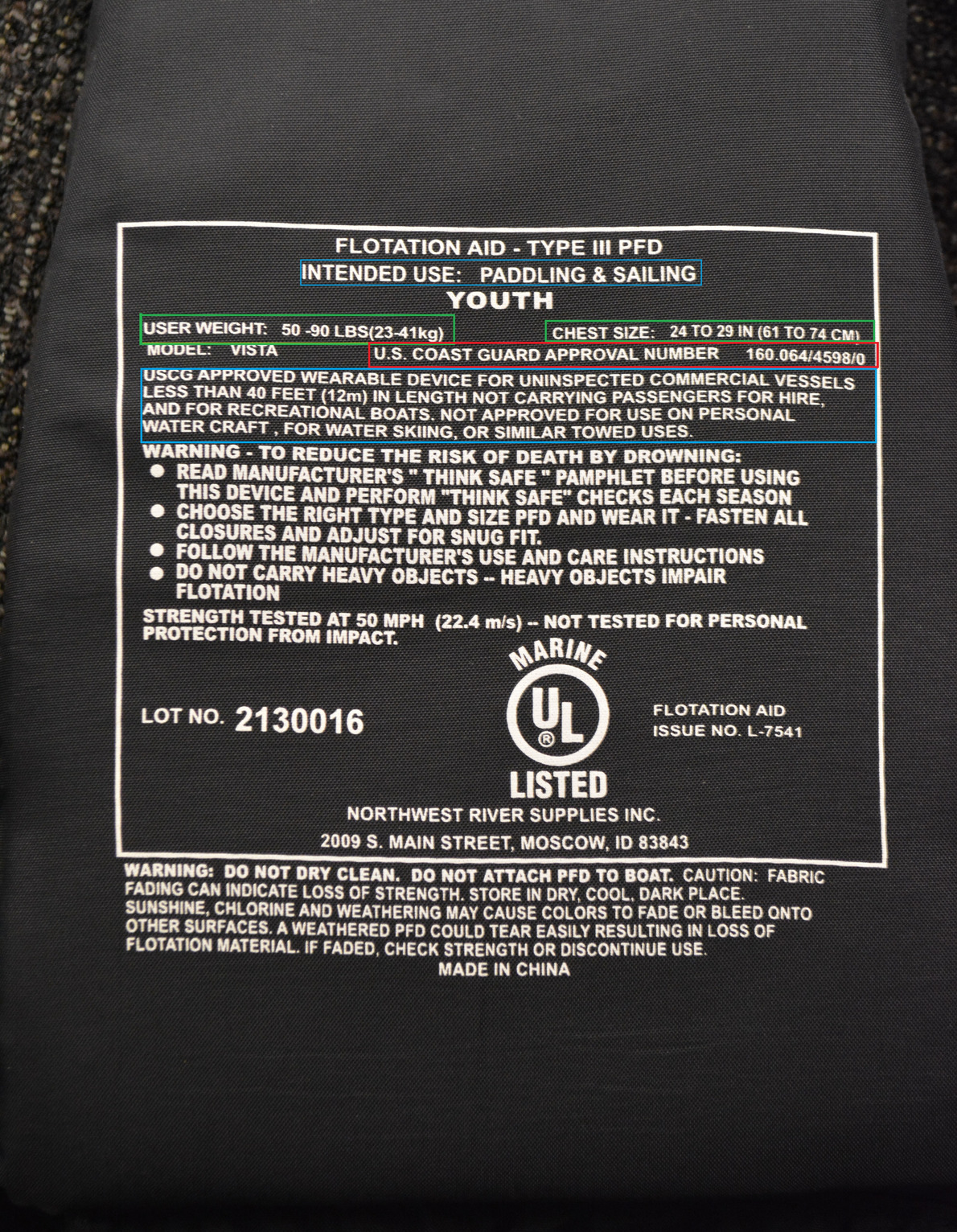
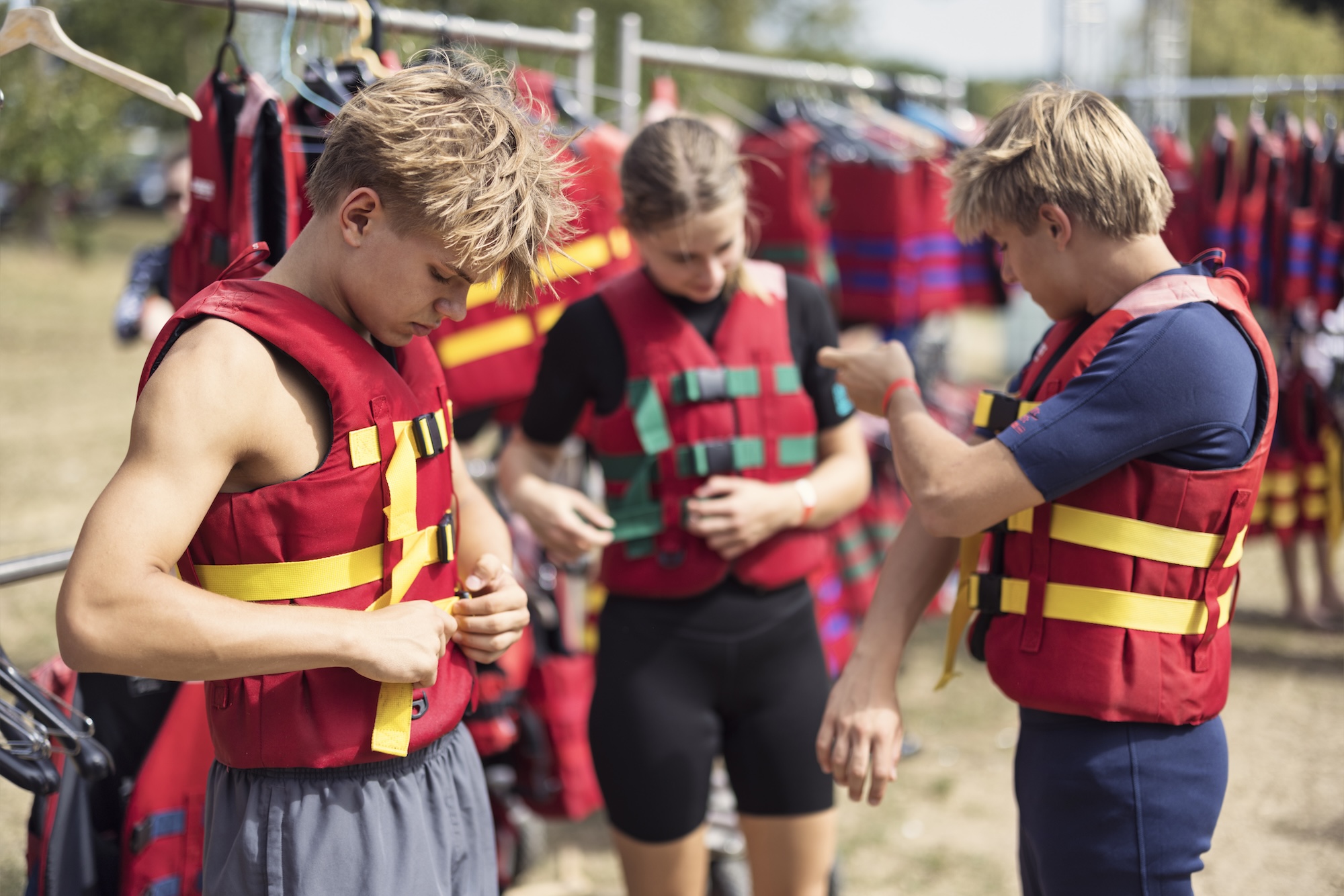
A life jacket should be comfortable to wear; it should not be too tight or too loose. When in doubt about sizing, refer to the label on the inside of any U.S. Coast Guard approved life jacket.
What is the most important consideration when choosing a life jacket?
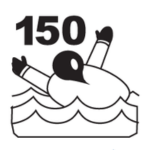
Buoyancy is the force, expressed in pounds or Newtons, required to keep you afloat with your head and chin above the water. Since everyone’s buoyancy requirements are different, you should test your life jacket in the water to make sure it will offer you maximum performance when your life depends on it.
Life Jacket Size
Life jackets are separated into four size categories based on the user's weight. Check each label for proper weight guidelines as they can vary depending on provider.

Adult - > 90 lbs.

Youth - 50 - 90 lbs.

Child - 30 - 50 lbs.

Performance Type & Levels
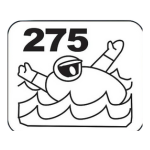
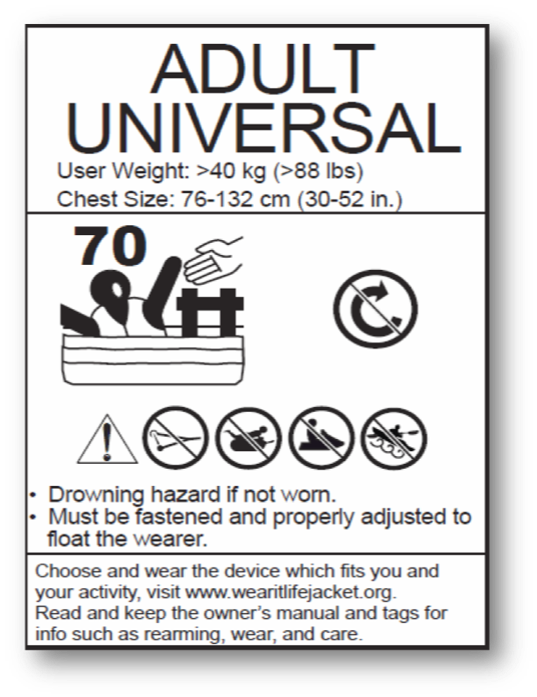
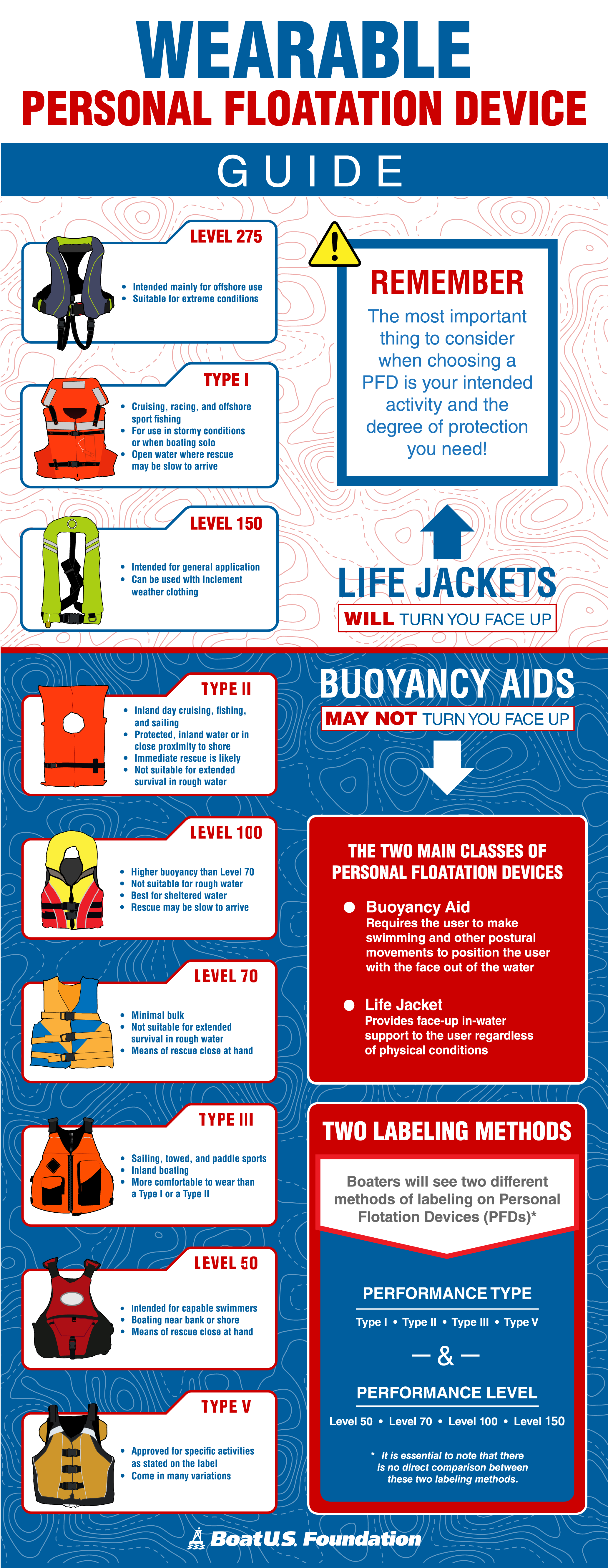
There are two different labels you will see on life jackets today. The first is known as the legacy type labels and the second is the new harmony labels. You will need to read each to find the right one for your intended use.
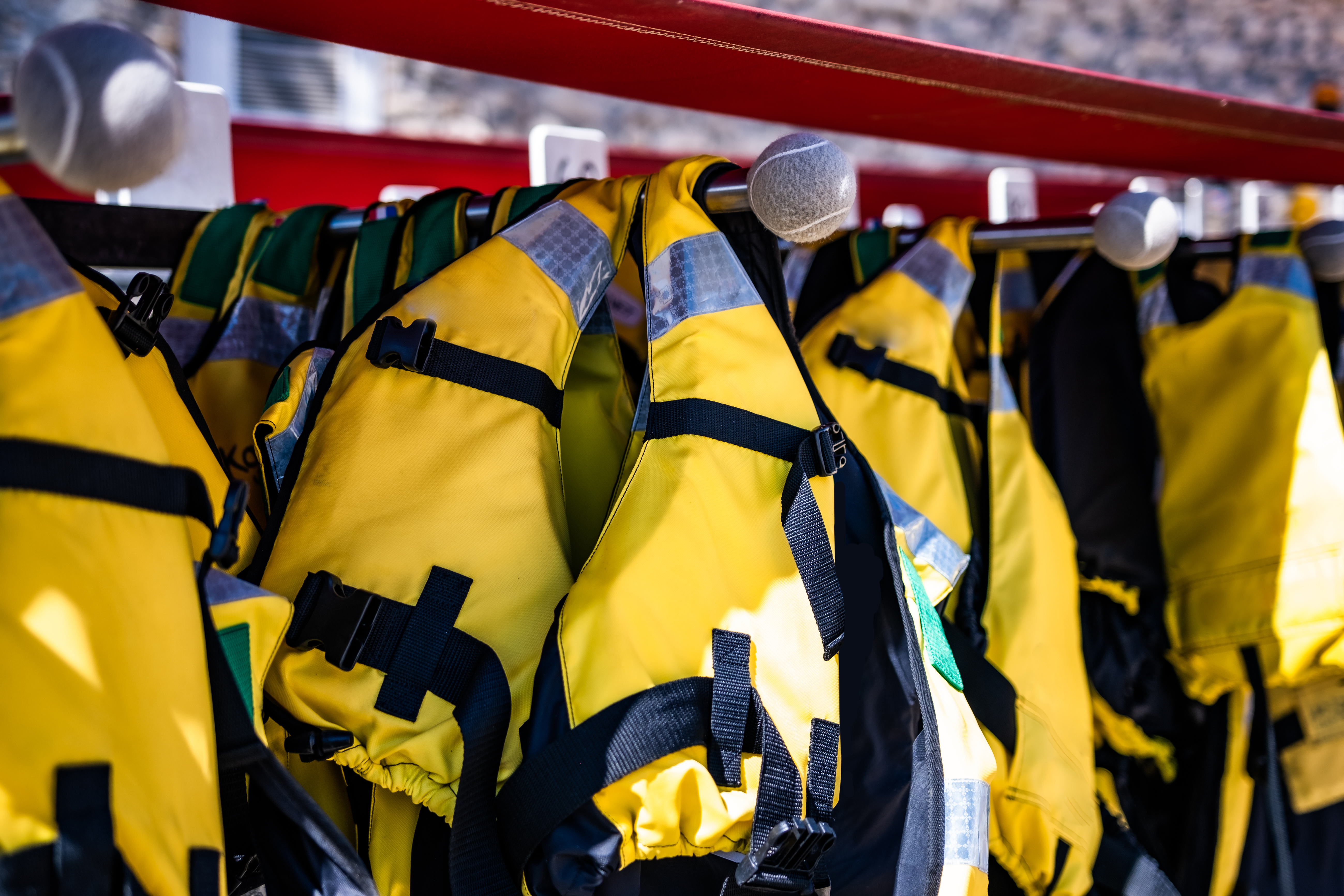
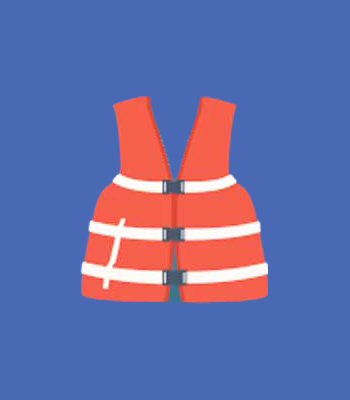
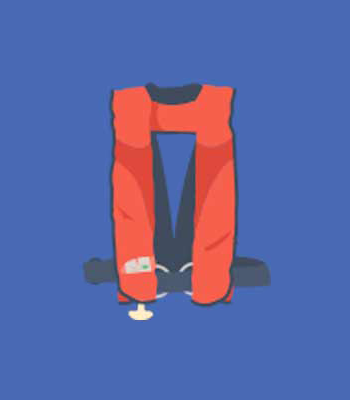
Wearable
Designed to keep a person afloat.
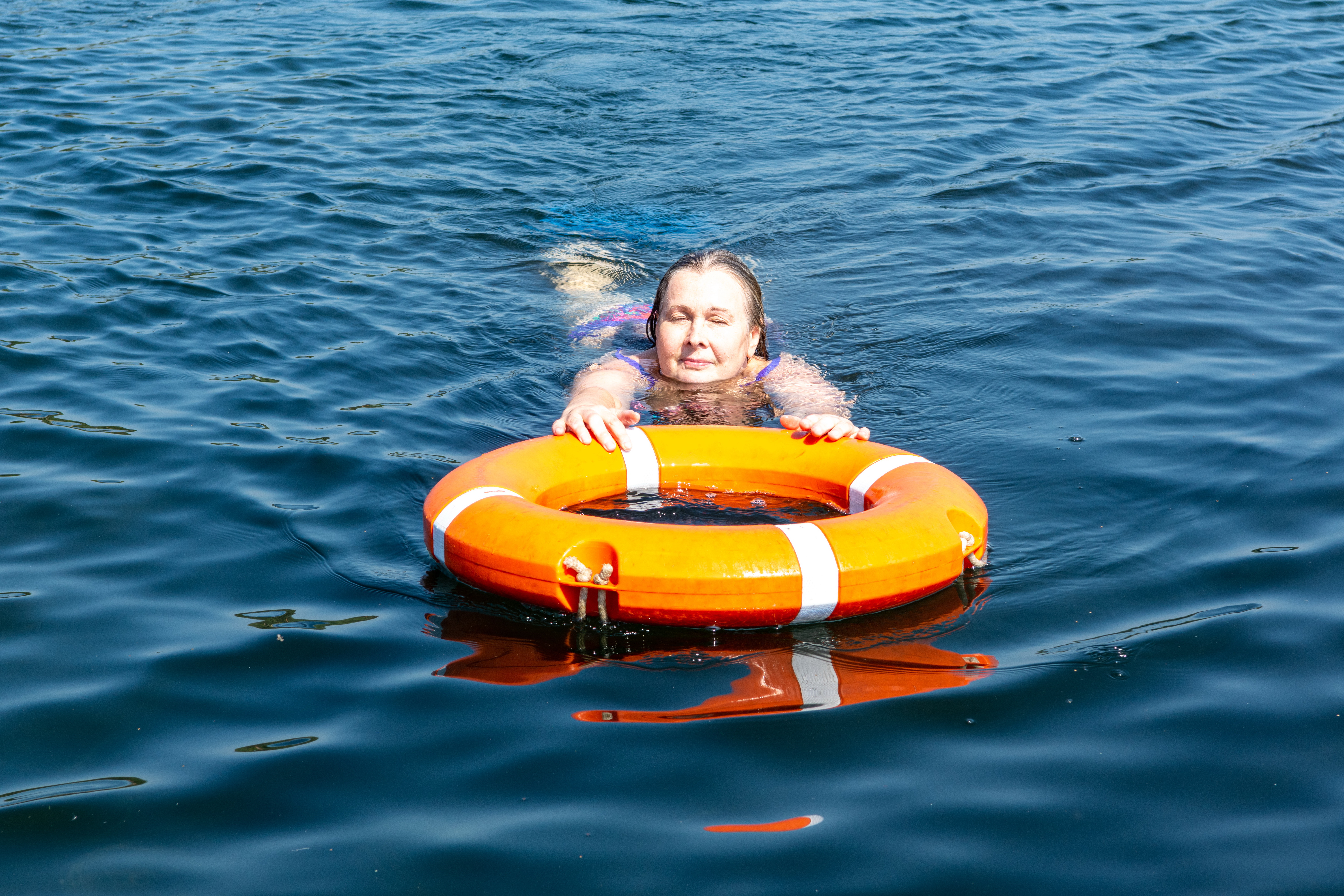
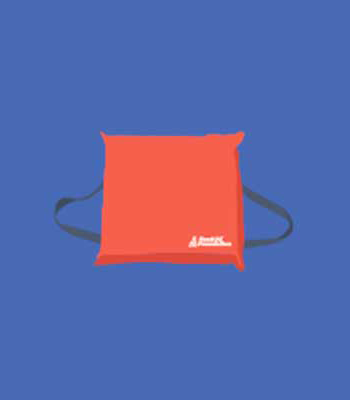
Throwable
Designed to be thrown/supplemental
Performance type defined:

Flip each card for more information.
1
1
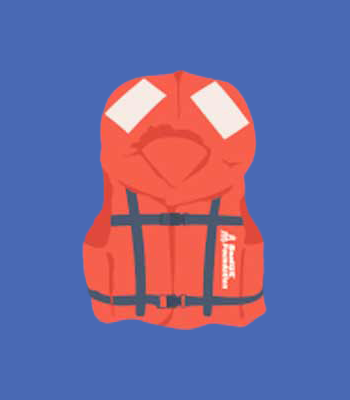
TYPE I
When cruising, racing, and fishing offshore, or when boating alone and/or in stormy conditions.
2
2

TYPE IIInland day cruising, fishing, and sailing. Good for boating in calmer waters.
Readily Available
Life jackets must be readily available for use.
That means they shouldn’t be buried in storage, under a pile of gear, or still in their packaging. It’s best to wear your life jacket at all times when the vessel is underway, but at the very least you must be able to put on your life jacket quickly in case of emergency.
You may be surprised by how difficult it is to put on a life jacket in the water instead of while you are on the boat or dock, especially if you are under duress from an emergency situation.
Where is the best place to keep life jackets?
Make sure all throwable PFDs are immediately available for use when needed.
Stop and Reflect
When to Wear a Life Jacket
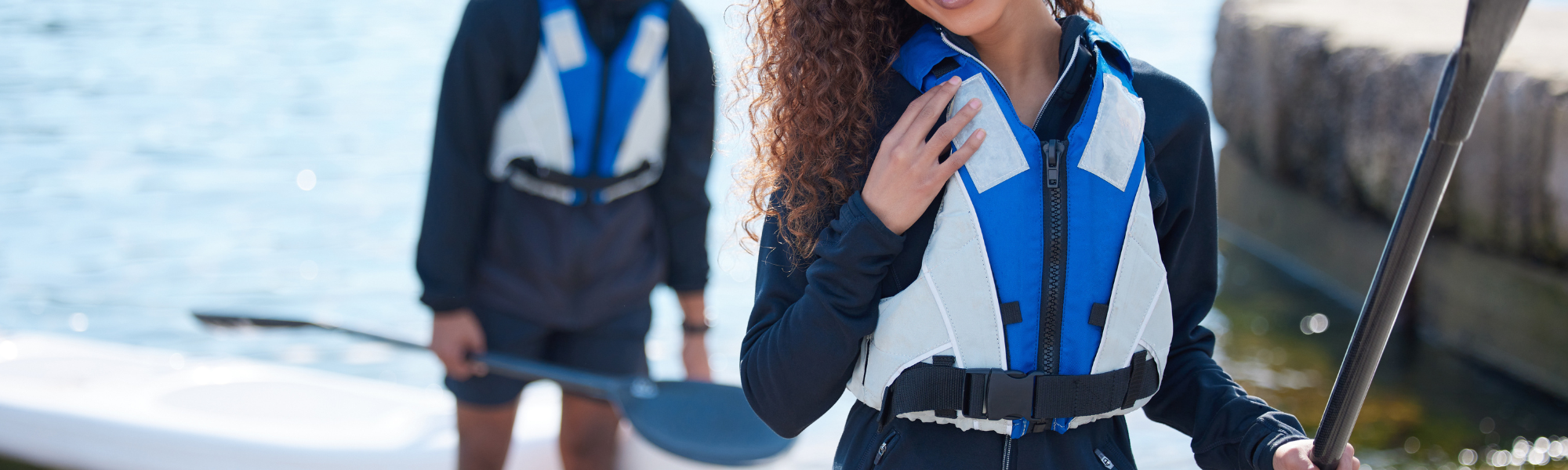
It’s a good idea to wear a life jacket anytime you are near water. Accidents happen, both on the dock and on quiet, still waters. In fact, most boating fatalities occur when the boat is moving slowly or not at all.
While you should always wear your life jacket, it is particularly important to wear your life jacket during the following times:

Night or Low Visibility
Congested Waterways
Let's review!
When should you wear a life jacket?